
From Lake Whatcom to Mt. Baker: How Binocular Vision Dysfunction (BVD) Can Sneakily Ruin Your Summer Adventures


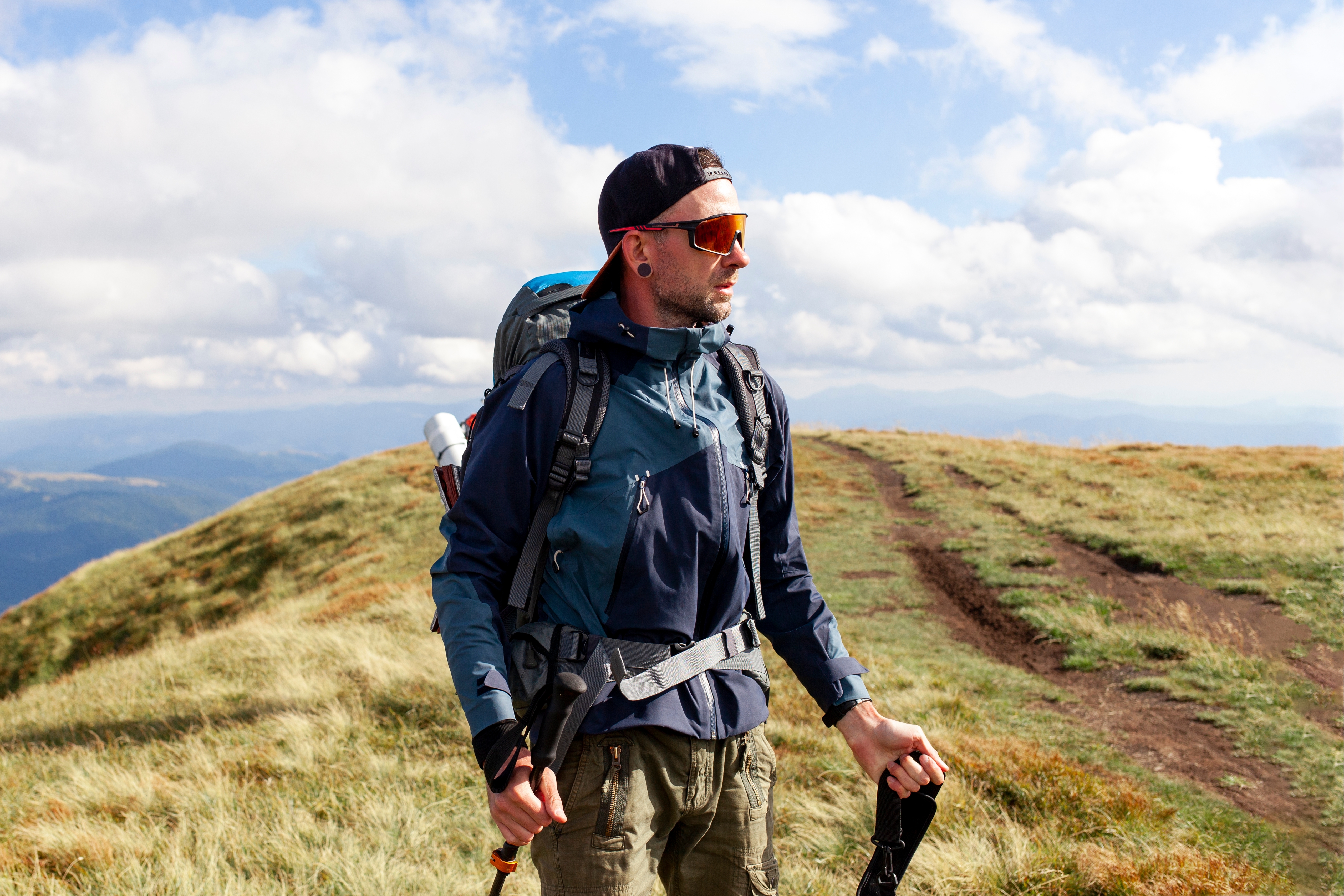
Summer in Bellingham offers plenty of ways to get outside, from boating on Lake Whatcom to hiking near Mt. Baker. But if you feel dizzy, off-balance, light-sensitive, or unusually tired during everyday activities, your eyes may be working harder than they should. One often-overlooked cause is binocular vision dysfunction, also called BVD.
At Advanced Vision Family Eye Care in Bellingham, we help patients identify hidden visual alignment issues that can interfere with comfort, confidence, and daily life.
What Is Binocular Vision Dysfunction?
Binocular vision dysfunction happens when the eyes do not work together as smoothly as they should. Even a small misalignment can force the brain and eye muscles to work harder to create one clear image.
This extra effort can lead to symptoms that do not always feel like a typical vision problem. Many people with BVD can pass a basic vision screening or see clearly on an eye chart, yet still feel uncomfortable while driving, walking, reading, or moving through busy environments.
Why BVD Can Affect Summer Adventures
Outdoor activities around Bellingham often require depth perception, balance, motion control, and quick visual adjustments. Hiking uneven trails, walking along docks, riding in a car on winding roads, or looking across bright water can all challenge the visual system.
If your eyes are slightly misaligned, your brain may struggle to process space and movement comfortably. That can make a fun summer outing feel exhausting or disorienting.
Symptoms That May Point To BVD
BVD symptoms can vary from person to person. Some patients notice discomfort during screen use, while others feel worse in stores, traffic, crowds, or outdoor settings. You may want to schedule a BVD evaluation if you experience:
- Headaches or pressure around the eyes
- Dizziness or balance issues
- Motion sensitivity in cars or boats
- Trouble with depth perception
- Neck or shoulder tension
- Eye strain while reading or using screens
- Light sensitivity outdoors
- Feeling overwhelmed in busy visual environments
These symptoms can overlap with other conditions, so a specialized evaluation is important.
Why Bright Summer Conditions Can Make BVD Worse
Bellingham summers bring longer daylight hours, glare from water, outdoor driving, hiking, and more time in visually complex environments. These conditions can make subtle eye teaming problems more noticeable.
For example, reflections off Lake Whatcom may increase light sensitivity. Winding drives toward Mt. Baker may trigger motion discomfort. Uneven trails may feel harder to navigate if depth perception is not working smoothly. BVD does not always stop you from doing these things, but it can make them feel harder than they should.
Why Standard Eye Exams May Not Catch Every Alignment Issue
A standard eye exam checks prescription, eye health, and visual clarity, but subtle binocular vision problems may require additional testing. Some patients are told their eyes look healthy and their prescription is correct, yet they still struggle with dizziness, headaches, or visual fatigue.
A NeuroVisual evaluation looks more closely at how the eyes align and work together. This type of testing can help determine whether small misalignments are contributing to symptoms.
How Microprism Glasses May Help
For some patients with BVD, custom microprism glasses may help the eyes work together more comfortably. These lenses are designed to reduce the strain caused by misalignment, which may help with symptoms such as headaches, dizziness, eye fatigue, and motion sensitivity.
The goal is not just sharper vision. The goal is more comfortable vision. If BVD is part of the problem, the right lenses may make daily tasks and summer activities feel easier.
Get Answers Before Symptoms Limit Your Plans
If you avoid certain roads, feel uneasy on trails, get headaches after outings, or feel drained after visually busy environments, BVD may be worth exploring. You should not have to push through discomfort just to enjoy summer in Bellingham.
To schedule a BVD evaluation or ask about NeuroVisual care, contact Advanced Vision Family Eye Care in Bellingham, WA at 1633 Birchwood Ave, Bellingham, WA 98225, or call (360) 526-0075.


- Monday 9:00am - 6:00pm
- Tuesday 9:00am - 6:00pm
- Wednesday 9:00am - 6:00pm
- Thursday 11:00am - 7:00pm
- Friday 10:00am - 4:00pm
- Saturday Please Call the Office
© 2026 Advanced Vision Family Eye Care - All Rights Reserved - Accessibility Statement - Privacy Policy - Sitemap
Powered by: 