
How can I stop my kid's eye prescription from getting worse every year?


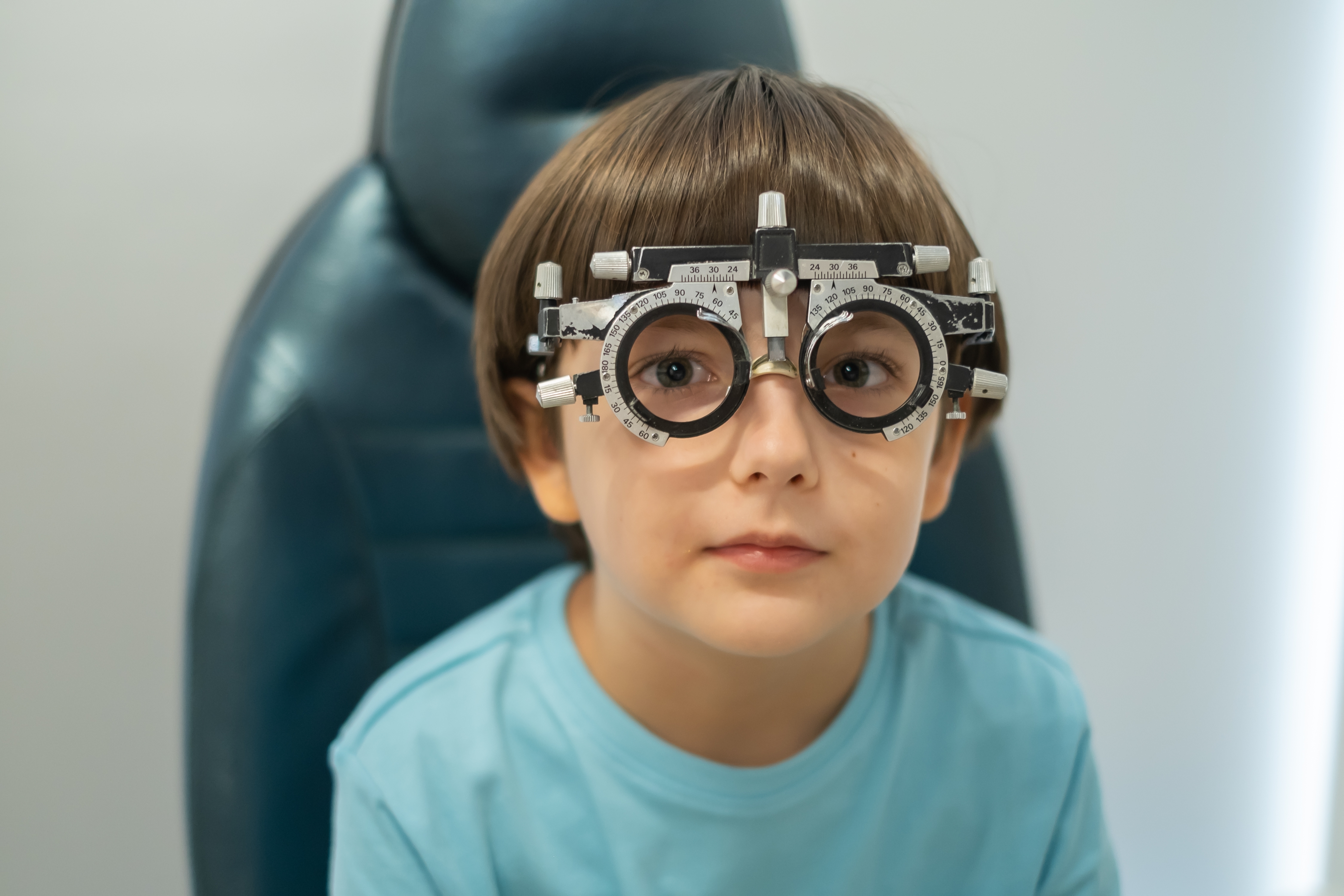
If your child’s glasses prescription keeps changing every year, you are not alone. Many children in Bellingham experience progressive nearsightedness, also called myopia, during the school-age years. While a stronger prescription can help your child see clearly today, it does not always address why their vision is changing.
At Advanced Vision Family Eye Care, we help families understand what is happening with their child’s eyesight and what options may help slow prescription changes over time.
Why Kids’ Prescriptions Often Get Worse
A child’s eye prescription can change as the eyes grow. With myopia, the eye becomes too long from front to back, which causes distant objects to look blurry. This is why your child may squint at the board, sit closer to the TV, or complain that faraway signs are hard to read.
Genetics can play a role, but lifestyle matters too. More time on screens, less time outdoors, and long periods of close-up work can all contribute to eye strain and may be associated with myopia progression. For families in Bellingham, regular pediatric eye exams are important because vision changes are not always obvious at first.
Glasses Help Vision, But They May Not Slow Myopia
Traditional glasses correct blurry distance vision, but they do not necessarily slow the progression of myopia. If your child gets a stronger prescription every year, it may be time to ask about myopia management.
Myopia management is a specialized approach designed to help slow how quickly nearsightedness progresses. The goal is not just to help your child see clearly now, but to support healthier long-term vision as they grow.
Signs Your Child’s Prescription May Be Changing
Children do not always know how to explain vision problems. Some assume everyone sees the way they do. Parents should watch for signs such as:
- Squinting when looking at distant objects
- Sitting too close to screens or the front of the classroom
- Frequent headaches or tired eyes
- Holding books or devices very close
- Complaints that glasses no longer feel strong enough
- Declining attention during schoolwork or reading
If you notice these changes, a comprehensive eye exam in Bellingham can determine whether your child’s prescription has changed and whether myopia management should be considered.
What Is Myopia Management?
Myopia management uses specific treatment options to help slow the worsening of nearsightedness in children. Instead of only updating glasses each year, the eye doctor evaluates how quickly your child’s prescription is changing, the shape and health of the eyes, and which treatment may fit their age, lifestyle, and needs.
Options may include specialty contact lenses, orthokeratology lenses worn overnight, or other evidence-based approaches recommended after an exam. Not every child is a candidate for every option, which is why a personalized evaluation is important.
Why Early Care Matters
The earlier myopia progression is identified, the more opportunity there may be to manage it. Higher levels of myopia can increase the risk of certain eye health issues later in life, so slowing progression during childhood can be an important part of long-term eye care.
For children in Bellingham, an annual eye exam is especially helpful before the school year, during growth spurts, or anytime vision changes seem to happen quickly. If your child’s prescription has increased more than once, it is worth discussing whether myopia management is appropriate.
How Parents Can Support Healthy Vision
In addition to professional eye care, daily habits can support visual comfort. Encourage regular screen breaks, outdoor play, proper lighting during homework, and enough working distance from books and devices. These habits do not replace myopia management, but they can help reduce strain and support better visual routines at home and school.
Schedule A Myopia Evaluation In Bellingham
If your child’s eye prescription keeps getting worse every year, Advanced Vision Family Eye Care can help you understand your options. Contact Advanced Vision Family Eye Care in Bellingham, WA at 1633 Birchwood Ave, Bellingham, WA 98225, or call (360) 526-0075 to schedule your child’s eye exam.


- Monday 9:00am - 6:00pm
- Tuesday 9:00am - 6:00pm
- Wednesday 9:00am - 6:00pm
- Thursday 11:00am - 7:00pm
- Friday 10:00am - 4:00pm
- Saturday Please Call the Office
© 2026 Advanced Vision Family Eye Care - All Rights Reserved - Accessibility Statement - Privacy Policy - Sitemap
Powered by: 