
Post-Concussion Vision Therapy in Bellingham, WA: How Neuro-Visual Care Helps Clear Persistent Brain Fog and Dizziness


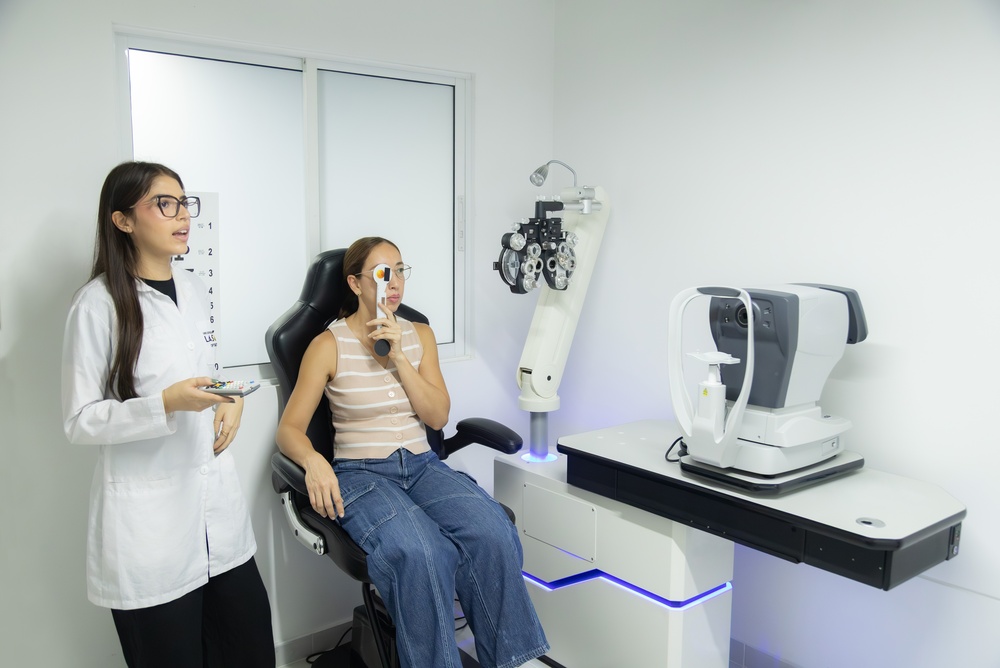
A concussion can affect much more than your ability to think clearly. Because vision relies on communication between the eyes and brain, a head injury can disrupt eye teaming, focusing, tracking, balance, and visual processing. For some patients, these problems can continue even after the initial injury has improved.
At Advanced Vision Family Eye Care, we offer post-concussion vision therapy and neuro-optometric rehabilitation in Bellingham, WA to help identify visual problems that may be contributing to persistent dizziness, brain fog, headaches, and difficulty concentrating.
Why Vision Can Feel Different After a Concussion
After a concussion, the brain may have difficulty processing visual information as efficiently as it did before the injury. Everyday activities such as reading, looking at a computer, walking through a busy store, or riding in a car may suddenly feel uncomfortable or overwhelming.
Post-concussion visual problems can include:
- Blurred or double vision
- Dizziness or balance difficulties
- Headaches and eye strain
- Light sensitivity
- Difficulty reading or maintaining focus
- Problems with depth perception
- Visual fatigue and difficulty concentrating
These symptoms do not automatically mean that vision is the only cause. Post-concussion symptoms can have several contributing factors, which is why a thorough evaluation is important.
Looking Beyond 20/20 Vision
A standard vision check may show that you can see clearly while missing problems with how your eyes and brain work together. Our neuro-visual care evaluates visual function beyond basic eyesight, including eye coordination, focusing, tracking, and binocular vision.
A concussion can sometimes trigger or worsen binocular vision dysfunction, or BVD. Even small eye misalignments can require the brain to work harder to combine the images from both eyes. This added visual effort may contribute to dizziness, headaches, fatigue, or difficulty concentrating.
How Post-Concussion Vision Therapy Can Help
Neuro-optometric rehabilitation is a specialized form of vision therapy designed to retrain communication between the eyes and brain. Treatment is personalized according to the specific visual skills affected by the injury.
Depending on your needs, therapy may incorporate eye tracking and focusing exercises, balance and coordination activities, specialized lenses or prisms, and other visual training techniques. The goal is to improve visual efficiency so tasks such as reading, working on a computer, navigating your surroundings, and concentrating feel more manageable.
NeuroVisual Care for Persistent Dizziness and Brain Fog
Some post-concussion patients may also benefit from a NeuroVisual evaluation. When binocular vision dysfunction is identified, specialized prism lenses may be considered to reduce the effort required for the eyes to work together. Post-concussion recovery often involves care from several healthcare professionals. Our role is to evaluate whether visual dysfunction is contributing to ongoing symptoms and create a treatment plan based on your individual findings.
If brain fog, dizziness, headaches, or visual discomfort are continuing after a concussion, schedule a post-concussion vision evaluation with Advanced Vision Family Eye Care to learn how our neuro-visual care and vision therapy may support your recovery. Visit our office in Bellingham, WA, or call (360) 526-0075 to book an appointment.


- Monday 9:00am - 6:00pm
- Tuesday 9:00am - 6:00pm
- Wednesday 9:00am - 6:00pm
- Thursday 11:00am - 7:00pm
- Friday 10:00am - 4:00pm
- Saturday Please Call the Office
© 2026 Advanced Vision Family Eye Care - All Rights Reserved - Accessibility Statement - Privacy Policy - Sitemap
Powered by: 