
The Role of Optometry in Detecting Systemic Disease: How Your Eyes Tell the Story


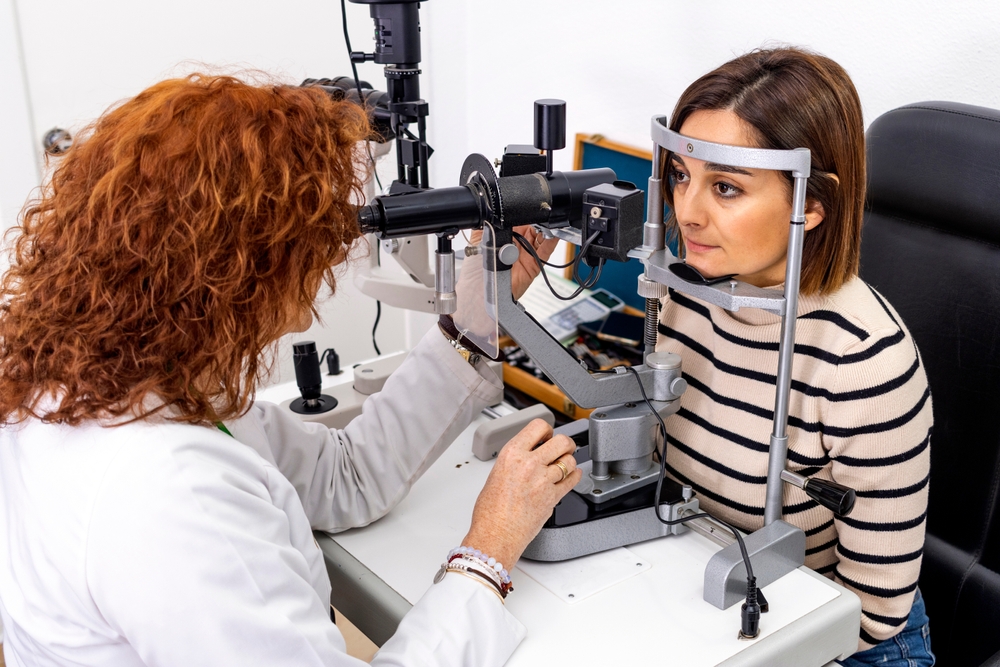
During a comprehensive eye exam, optometrists can detect subtle changes in the eyes that may signal underlying systemic conditions. At Advanced Vision Family Eye Care, eye exams are an essential part of preventive healthcare, helping identify potential health concerns early and guiding patients toward timely care.
Why the Eyes Are a Window Into Your Health
The eyes are unique because they allow optometrists to directly observe blood vessels, nerves, and connective tissue without surgery. Using advanced imaging and diagnostic tools, an optometrist can identify subtle changes that may indicate underlying health concerns elsewhere in the body. In many cases, these changes develop quietly. A routine eye exam may be the first place a systemic condition is suspected, allowing for earlier intervention.
Diabetes
Diabetes often affects the eyes through a condition called diabetic retinopathy. This occurs when high blood sugar damages the small blood vessels in the retina. Early stages may not cause noticeable vision changes, which is why regular eye exams are critical. Optometrists can detect early retinal changes and help prevent vision loss while alerting patients to potential issues with blood sugar control.
High Blood Pressure and Heart Disease
Hypertension can cause changes in the blood vessels of the retina, such as narrowing, leakage, or swelling. These findings may suggest uncontrolled blood pressure or increased cardiovascular risk. An eye exam may prompt further medical evaluation that helps reduce the risk of heart attack or stroke.
Autoimmune Disorders
Conditions such as lupus, rheumatoid arthritis, and multiple sclerosis can cause inflammation that affects the eyes. Symptoms may include dry eye, inflammation of the optic nerve, or changes in vision. Optometrists are often among the first healthcare providers to notice these signs and recommend further testing.
Thyroid Disease
Thyroid disorders, especially Graves’ disease, can cause bulging eyes, dryness, irritation, and double vision. These visible and measurable changes during an eye exam may signal a thyroid imbalance that requires medical attention.
Advanced Technology Enhancing Early Detection
Modern optometry relies on advanced diagnostic tools such as Optos ultra-widefield retinal imaging, digital retinal imaging, and optical coherence tomography (OCT). These technologies allow optometrists to capture highly detailed images of the retina and optic nerve, including areas of the peripheral retina that are not visible with traditional imaging. By identifying subtle or microscopic changes that may not yet affect vision, this proactive approach supports earlier detection of eye and systemic conditions and leads to better long-term health outcomes.
Protect Your Vision and Overall Health
Your eyes offer valuable insight into your overall health and can reveal early signs of systemic disease. Comprehensive eye exams are an essential part of preventive healthcare, helping detect potential problems before they become more serious.
Protect your vision and your health with a comprehensive eye exam at Advanced Vision Family Eye Care. Visit our office in Bellingham, Washington, or call (360) 526-0075 to book an appointment today.


- Monday 9:00am - 6:00pm
- Tuesday 9:00am - 6:00pm
- Wednesday 9:00am - 6:00pm
- Thursday 11:00am - 7:00pm
- Friday 10:00am - 4:00pm
- Saturday Please Call the Office
© 2026 Advanced Vision Family Eye Care - All Rights Reserved - Accessibility Statement - Privacy Policy - Sitemap
Powered by: 